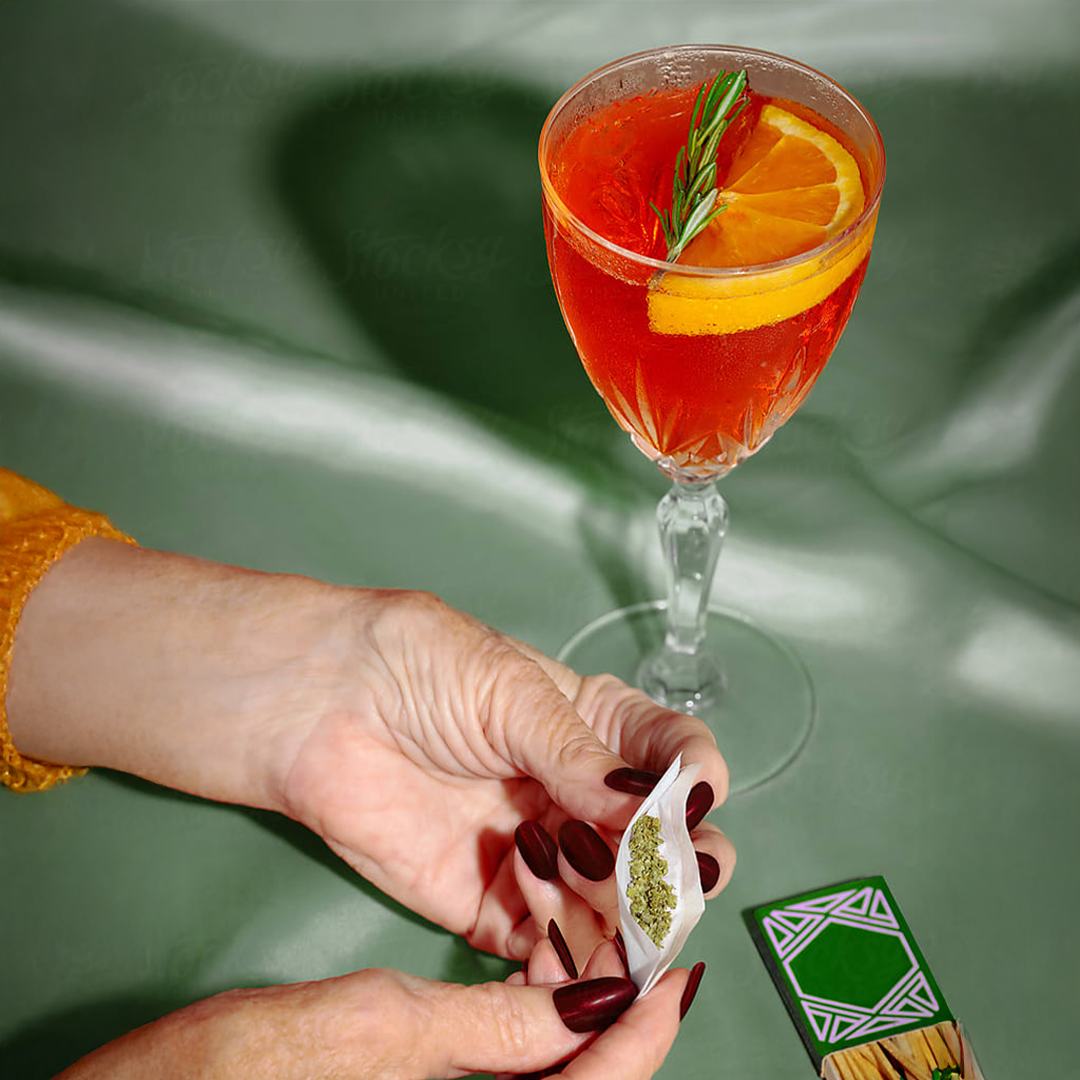
Iâm excited by the rise of hemp-THC beverages. Drinks are woven into the fabric of everyday life more than cannabis is for most people: Coffee, kombucha, seltzer, and cocktails are all good examples that also cross into the cannabis-potential realm. That cultural familiarity gives cannabis drinks a unique ability to open doors, reduce stigma, and bring new people into the fold.
But hereâs whatâs worrying: I keep hearing the same tired narrative that plagued the CBD boom. Only now, instead of demonizing THC, the messaging elevates hemp-THC drinks as the âsophisticatedâ option, while subtly dismissing flower, edibles, concentrates, and pre-rolls as âstonerâ formats. That narrative needs to stop.
We warned about this back in 2018 with Why the Movement to Sanitize Weed Is a Big Problem, when CBD-only hype tried to erase THC, the culture around it, and the people who built this industry. Today, that same mindset is resurfacing, but now itâs targeting form factor instead of cannabinoid.
Letâs be clear: this industry wasnât built on smokeless products. It was built by underground operators, Black and Brown communities who bore the brunt of prohibition, and everyday people sharing joints, rolling blunts, crafting edibles, and growing flower long before legalization was an option.
To act like certain consumption styles are more respectable, modern, or social is not just inaccurateâitâs damaging. It reinforces the same respectability politics that have historically excluded culture, community, and equity from the conversation.
We canât go there again.
Whether your go-to is a sparkling hemp-THC seltzer, a gummy before a workout, or a joint to unwind, itâs all cannabis. The same plant. The same molecule. The same rich history and cultural fabric. If we want to move this industry forward in a meaningful and inclusive way, we must celebrate the whole ecosystem, not sanitize it.
Yes, drinks are part of the future. But they canât erase the past or define what cannabis âshouldâ look like. Progress means expanding access, not narrowing identity. And the more we embrace the plant in all its forms, the stronger this movement becomes.
Â